
Enhancing User Experience with Royalty-Free Sound Effects for UI and App Videos

Sound plays a critical role in shaping how users perceive digital products. In UI and app videos, sound effects are not just decorative—they help communicate interactions, reinforce branding, and improve user engagement. Using royalty-free sound effects ensures that creators can enhance their projects without worrying about legal complications or copyright claims.
Why Sound Effects Matter in UI and App Videos
UI and app videos are designed to demonstrate functionality and user flow. Without sound, these visuals can feel flat and less engaging. Carefully selected sound effects—such as clicks, swipes, notifications, and transitions—add a layer of realism and clarity.
For example, a simple tap sound can confirm an action, while a smooth transition sound can guide users through navigation. When paired with visuals like a free image, sound effects help create a cohesive and immersive presentation that resonates with viewers.

What Does Royalty-Free Mean?
Royalty-free sound effects allow creators to use audio assets without paying recurring fees. Typically, you pay once—or sometimes nothing at all—and gain the right to use the sound in multiple projects, depending on the license.
However, it is important to understand that “royalty-free” does not always mean completely unrestricted. Some licenses may limit usage in commercial applications or require attribution. Always review the licensing terms carefully to ensure compliance, especially when combining audio with other elements such as a free image.
Choosing the Right Sound Effects
Selecting appropriate sound effects for UI and app videos requires a balance between functionality and subtlety. Overusing or choosing overly dramatic sounds can distract users rather than enhance their experience.
Focus on sounds that are:
- Minimal and clean
- Consistent with your app’s theme
- Non-intrusive but noticeable
- High-quality and professionally produced
For instance, modern apps often use soft, muted tones that align with clean and minimal design trends. Consistency across all interactions helps build familiarity and trust with users.
Where to Find High-Quality Royalty-Free Sounds
There are many platforms offering royalty-free sound effects suitable for UI and app videos. Look for libraries that provide clear licensing, high-quality files, and a wide variety of categories. Trusted platforms often include search filters for UI sounds, making it easier to find exactly what you need.
When selecting a source, prioritize platforms that offer:
- Transparent licensing agreements
- Downloadable license certificates
- Organized categories for UI and UX sounds
- Compatibility with commercial projects
Using reputable sources reduces the risk of copyright issues and ensures professional-grade results.
Best Practices for Using Sound Effects
To maximize the impact of sound effects in your UI and app videos, follow a few best practices. Keep the audio levels balanced so that sound effects complement, rather than overpower, narration or background music. Timing is also crucial—sounds should align perfectly with on-screen actions.
Additionally, test your video across different devices to ensure the audio translates well on mobile phones, tablets, and desktops. This ensures a consistent user experience regardless of how the content is viewed.
Conclusion
Royalty-free sound effects are essential tools for creating polished and engaging UI and app videos. By choosing high-quality sounds, understanding licensing requirements, and applying them thoughtfully, creators can significantly enhance user experience. When combined with strong visuals like a free image, well-designed audio elements help deliver a professional and memorable presentation that stands out in today’s competitive digital landscape.
10 Best Stock Photo Sites: Find High-Quality Images for Your Content

I’ve watched the stock photo industry transform dramatically over the past decade. What once was a limited marketplace of staged, sometimes awkwardly posed images has evolved into a vast ecosystem of authentic, diverse visual content that powers today’s digital world.
Whether you’re a small business owner looking to enhance your website or a content creator needing visuals for your next project, stock photos offer an affordable alternative to custom photography. They’re pre-shot, professionally edited, and ready to use with proper licensing—saving you considerable time and money. While many assume stock photos are expensive or outdated, today’s platforms offer millions of modern options at various price points, including completely free collections.
What Are Stock Photos and Why They Matter
Stock photos are pre-produced photographs that creators license for specific uses. These images are professionally shot, edited, and made available through specialized platforms for businesses, marketers, bloggers, and designers to purchase and use in their projects.
Unlike custom photography, stock photos don’t require scheduling photoshoots, hiring models, or investing in expensive equipment. They’re ready-to-use visual assets that save significant time and money while maintaining professional quality.
The stock photo concept emerged in the 1920s when H. Armstrong Roberts began creating generic images that businesses could license rather than commissioning custom photography. Today, the industry has evolved into a multi-billion dollar market featuring millions of images across countless categories.
Stock photos matter for several key reasons:
- Cost efficiency: Professional custom photography often costs hundreds or thousands of dollars, while stock photos are available for as little as $1-2 per image or through subscription plans.
- Immediate availability: When I need an image for a project, stock photos provide instant access without waiting days or weeks for custom shoots.
- Professional quality: Stock photographers use high-end equipment, professional lighting, and post-processing techniques to create polished, publication-ready images.
- Legal protection: Licensed stock photos come with clear usage rights, protecting users from copyright infringement claims that can result in costly legal battles.
- Diversity of options: Modern stock platforms offer millions of images across every conceivable topic, style, and demographic representation.
The significance of stock photography has grown with the rise of content marketing and social media, where engaging visual content has become essential for capturing audience attention in increasingly crowded digital spaces.
The Evolution of Stock Photography

Stock photography has undergone remarkable transformations since its inception, evolving from physical archives to vast digital repositories. This evolution has democratized access to professional imagery and revolutionized how businesses and content creators source visuals for their projects.
From Film to Digital Archives
Stock photography began in the 1920s when H. Armstrong Roberts established the first stock photo agency, creating a revolutionary system for licensing existing photographs. Early stock photos were primarily analog, stored as physical prints or film negatives in massive filing cabinets. Photo researchers would spend hours manually searching through these physical archives to find suitable images for clients. The transition to digital in the 1990s transformed everything—scanning technology converted film photos into digital assets, eliminating physical storage limitations and enabling instantaneous access. Companies like Getty Images and Corbis led this digital transformation, converting millions of film photos into searchable digital libraries. This digitization process dramatically expanded the variety of available stock photos and improved image quality as digital photography technology advanced.
The Rise of Online Marketplaces
The internet revolutionized stock photography by creating online marketplaces that connected photographers directly with buyers. Shutterstock, launched in 2003, pioneered the subscription model that made stock photos more affordable for small businesses and independent creators. iStock Photo (now part of Getty Images) popularized microstock photography with lower-priced licensing options starting at just a few dollars per image. These digital platforms implemented sophisticated search algorithms and tagging systems that made finding the perfect stock photo faster and more intuitive. Today’s stock photo marketplaces offer diverse purchasing options—from pay-per-download to unlimited subscription plans—catering to different budgetary needs and usage requirements. The competitive marketplace has driven prices down while simultaneously expanding selection, with leading platforms now hosting tens of millions of stock photos across countless categories and visual styles.
Types of Stock Photo Licenses Explained

Stock photo licenses determine how and where you can use the images you acquire. Understanding these licenses helps avoid copyright issues and ensures you’re using stock photos legally. Let’s break down the most common types of licenses you’ll encounter.
Royalty-Free vs. Rights-Managed
Royalty-free licenses are the most popular option for stock photos today. With royalty-free licenses, you pay a one-time fee for perpetual use of the image across multiple projects without additional payments. For example, after purchasing a royalty-free image from Shutterstock, you can use it in your blog posts, social media graphics, and newsletters without repurchasing. These licenses typically have usage limitations based on factors like circulation numbers or commercial use.
Rights-managed licenses offer more exclusive, but restrictive usage terms. These licenses specify exactly how, where, when, and for how long you can use the image. The pricing reflects these specific usage parameters – a stock photo for a small blog might cost $50, while the same image for a national advertising campaign could cost thousands. Rights-managed licenses often include exclusivity options, preventing competitors from using the same image during your license period.
Creative Commons and Public Domain
Creative Commons licenses allow photographers to share their work while retaining some control over usage. These licenses range from CC BY (attribution required) to CC BY-NC-ND (attribution required, non-commercial use only, no derivatives). Platforms like Flickr host millions of Creative Commons stock photos available for specific uses defined by the creator.
Public domain images have no copyright restrictions whatsoever. These stock photos can be used for any purpose without permission or attribution. Public domain stock photos come from three main sources: expired copyrights (generally works published before 1926 in the US), images explicitly released to public domain by their creators, and works created by US federal government employees as part of their official duties. Collections like Pixabay and Unsplash offer high-quality public domain-equivalent imagery that’s completely free for commercial and personal projects.
Top Stock Photo Websites Worth Exploring

Finding the right stock photo website can drastically improve your content’s visual impact. I’ve compiled a list of exceptional platforms that cater to different needs and budgets, from premium subscription services to free high-quality resources.
Premium Platforms
Premium stock photo websites offer extensive libraries with millions of high-resolution images, exclusive content, and comprehensive licensing options. Shutterstock stands out with over 400 million images and a straightforward licensing model that includes standard and enhanced options for commercial use. Adobe Stock integrates seamlessly with Creative Cloud applications, providing 200+ million assets and AI-powered search features that help locate the perfect stock photos based on composition and color palette. iStock by Getty Images specializes in curated collections with signature-exclusive content unavailable elsewhere, while Depositphotos offers competitive pricing with flexible subscription plans starting at $9.99 monthly for 10 downloads. Each platform includes advanced search filters, regular content updates, and commercial licenses suitable for professional projects.
Free Stock Photo Resources
Free stock photo sites have revolutionized access to quality visuals without budget constraints. Unsplash features over 3 million high-resolution stock photos contributed by professional photographers worldwide, with a simple license allowing commercial and non-commercial use without attribution (though it’s appreciated). Pexels offers both photos and videos with a focus on contemporary, lifestyle-oriented stock photos that avoid the staged look common in traditional stock photography. Pixabay maintains a diverse library of 2.4 million images across categories from landscapes to technology, while StockSnap.io adds hundreds of new stock photos weekly with convenient keyword tagging and viewcount sorting. These platforms provide CC0 or similar licenses, making the images truly free for personal and commercial projects without worrying about copyright issues or hidden fees.
How to Choose the Right Stock Photos
Selecting the perfect stock photos can significantly enhance your content’s visual impact and engagement. I’ve developed a strategic approach to finding images that align with your brand message while avoiding common pitfalls that can make your content appear generic.
Quality Considerations
High-quality stock photos instantly elevate your content’s professional appearance. When evaluating image quality, I focus on several key technical aspects:
- Resolution: Choose images with at least 300 DPI for print materials and 72 DPI for digital content
- Composition: Look for well-framed photos with clear focal points and balanced visual elements
- Lighting: Select images with natural lighting that enhances rather than distracts from the subject
- Sharpness: Verify the image appears crisp and focused, especially on the main subject
Poor quality stock photos can damage your brand’s credibility and professionalism. I always download the preview image before purchasing to examine it at full size, checking for issues like pixelation or awkward cropping that might not be visible in thumbnails.
Authenticity and Diversity
Today’s audiences quickly recognize and dismiss inauthentic stock photos. I prioritize images that capture genuine emotions and realistic scenarios over obviously staged scenes. When selecting stock photos, I consider these authenticity factors:
- Natural expressions: Choose images showing genuine emotions rather than forced smiles
- Diverse representation: Select photos featuring varied ethnicities, ages, body types, and abilities
- Contemporary settings: Avoid outdated scenarios, fashion, or technology that can make content feel irrelevant
- Cultural sensitivity: Ensure images respectfully represent different cultures without reinforcing stereotypes
Stock photo libraries like Unsplash and Pexels have expanded their collections to include more diverse subjects and authentic situations. I’ve found that searching for specific terms like “authentic workplace” or “diverse team meeting” yields more natural results than generic terms like “business meeting.”
The most effective stock photos feel like a natural extension of your brand rather than a placeholder. By carefully evaluating both technical quality and authentic representation, I’ve consistently selected stock photos that strengthen rather than dilute brand messaging.
Common Stock Photo Mistakes to Avoid
Using Overly Generic Images
Generic stock photos lack personality and fail to capture audience attention. Images of businesspeople in suits shaking hands or models with unnatural smiles pointing at screens don’t convey authentic experiences. These clichéd visuals make content blend in rather than stand out. Instead, I recommend choosing stock photos with specific contexts that align with your brand’s unique voice and message. For example, select images showing real teamwork in action rather than staged handshakes if you’re discussing collaboration.
Neglecting Licensing Requirements
Misunderstanding stock photo licensing leads to potential legal issues and unexpected costs. Many creators wrongly assume all online images are free to use or that purchasing a standard license covers all possible uses. Each stock photo platform has specific licensing terms that dictate where and how images can be used. For instance, a royalty-free license from Shutterstock may allow website use but not product resale. Always read the fine print and purchase the appropriate license tier for your intended usage to avoid copyright infringement penalties.
Ignoring Visual Consistency
Inconsistent stock photos create a jarring visual experience that weakens brand identity. Using images with different styles, color palettes, or photographic treatments across your marketing materials confuses your audience about your brand personality. Create a cohesive visual strategy by selecting stock photos with similar lighting, composition, and color schemes. For example, if your brand uses bright, airy imagery with natural lighting, stick with this aesthetic across all channels rather than mixing in dark, moody photos.
Overlooking Cultural Sensitivity
Stock photos that contain cultural stereotypes or lack diversity can alienate portions of your audience. Many outdated stock libraries feature predominantly white models in western settings, which doesn’t reflect global markets. Choose images that accurately represent diverse populations, body types, ages, abilities, and family structures. When depicting specific cultural elements, research proper context and avoid appropriation. Consider platforms like TONL or Nappy that specialize in diverse stock photography to ensure authentic representation.
Selecting Poor Quality Images
Low-resolution or poorly composed stock photos diminish your content’s professionalism. Images that appear pixelated when scaled, contain distracting elements, or show poor lighting reflect negatively on your brand quality. Always download the highest resolution available and preview images at full size before purchasing. Pay attention to technical aspects like focus, lighting balance, and composition. Premium stock sites like Adobe Stock and Shutterstock typically offer higher quality options than completely free alternatives.
The Future of Stock Photography

The stock photography landscape is evolving rapidly with technological advancements and shifting consumer preferences. These changes are reshaping how we create, distribute, and utilize visual content across digital platforms.
AI-Generated Images
AI-generated stock photography is revolutionizing the industry through algorithmic creation of unique visuals. Tools like DALL-E, Midjourney, and Stable Diffusion now produce photorealistic images from text prompts, eliminating traditional photography constraints. This technology offers several advantages for stock photo marketplaces:
- Infinite customization possibilities without physical photoshoots
- Reduced production costs compared to traditional photography sessions
- Quick generation of niche or specific imagery that’s traditionally hard to source
- Stylistic versatility that can match any brand aesthetic or creative direction
Despite these benefits, AI-generated stock photos face ongoing challenges with copyright questions, potential bias in training data, and ethical concerns about displacing human photographers. Stock photo platforms are developing clear policies around AI-generated content while balancing innovation with creator rights protection.
Changing Visual Trends
Stock photos are shifting dramatically toward authenticity and representation as consumer preferences evolve. Today’s most successful stock images feature:
- Genuine diversity showcasing various ethnicities, body types, ages, and abilities
- Real-life scenarios replacing perfectly staged corporate settings
- Candid moments that feel spontaneous rather than posed
- Inclusive representation that reflects global audiences authentically
Mobile photography has democratized stock photo creation, allowing smartphone users to capture and sell high-quality images. This trend has expanded stock photo libraries with fresh perspectives and real-world aesthetics that resonate with modern audiences.
Sustainability and environmental consciousness are emerging as dominant themes in stock photography. Images depicting climate solutions, sustainable practices, and eco-friendly lifestyles are increasingly in demand as brands align with environmental values.
The integration of motion elements—including cinemagraphs, short video clips, and animated GIFs—represents another frontier for stock photos. These dynamic visuals offer greater engagement potential for social media and digital marketing, blurring the line between static stock photos and video content.
Conclusion
Stock photos have evolved from rigid staged shots to diverse authentic visuals that serve businesses of all sizes. They offer a practical solution for enhancing digital content without breaking the bank or sacrificing quality.
As the industry continues to transform with AI-generated imagery and greater representation I believe we’ll see even more innovative options emerge. Whether you choose premium platforms or free resources the key is selecting high-quality relevant images that align with your brand.
By understanding licensing requirements avoiding common pitfalls and embracing current trends you’ll maximize the impact of stock photography in your content strategy. The right stock photos aren’t just fillers – they’re powerful visual tools that can elevate your message and connect with your audience.
Ultimate Hot Spring Map Guide: Find Hidden Thermal Pools Near You
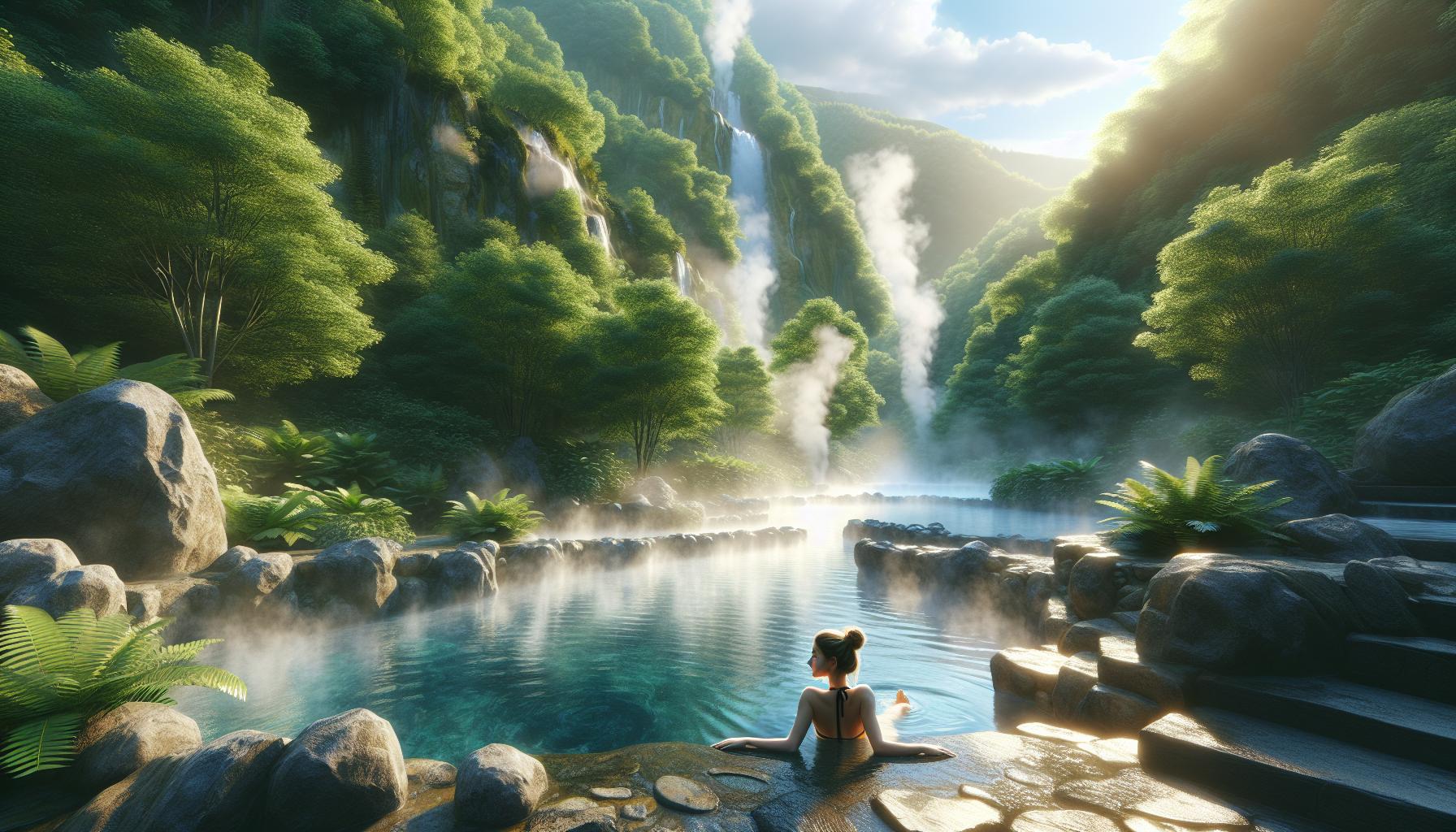
We’ve all dreamed of soaking in nature’s healing waters, and a hot spring map is our ultimate guide to these geothermal wonders. These naturally occurring pools of mineral-rich water offer more than just relaxation – they provide therapeutic benefits that have attracted people for centuries.
Our comprehensive exploration of hot spring maps will help you discover these hidden gems across various landscapes. Whether you’re planning a weekend getaway or a cross-country adventure we’ll show you how to navigate the world of thermal springs with confidence. From popular resort destinations to secluded wilderness pools there’s a perfect spot waiting for every type of traveler.
What Is a Hot Spring Map and Why You Need One
A hot spring map provides a detailed geographical representation of natural geothermal springs across specific regions. These specialized maps display essential information including:
- Geographic coordinates for precise location tracking
- Temperature readings of individual springs
- Accessibility ratings from easy roadside access to challenging backcountry routes
- Facilities available at each site like changing rooms or restrooms
- Seasonal availability information for weather-dependent locations
Hot spring maps serve multiple critical functions for visitors:
- Navigation guidance through remote areas to find specific springs
- Safety information about water temperatures chemical composition
- Access points identification for parking entrance trails
- Population density indicators showing busy popular spots quiet secluded locations
- Elevation data helping plan hiking routes difficulty levels
Digital hot spring maps offer additional features:
- Real-time updates on spring conditions closures
- User-generated reviews photos recent experiences
- Interactive routing options for multi-spring trips
- Mobile offline functionality for areas without cell service
- Seasonal temperature variations weather patterns
Here’s a comparison of mapping options:
| Map Type | Key Features | Best Use Case |
|---|---|---|
| Digital | Real-time updates interactive routing | Urban explorers day trips |
| Reliable no batteries needed | Backcountry wilderness trips | |
| Topographic | Detailed terrain elevation data | Remote hiking expeditions |
| Resort | Facility amenity information | Developed spring locations |
These maps enable visitors to locate discover spring locations while providing crucial safety accessibility information for informed trip planning.
Most Popular Hot Spring Destinations Around the World

Geothermal hot springs create natural oases across diverse global landscapes. Our hot spring map reveals these remarkable destinations where thermal waters emerge from Earth’s depths, offering unique soaking experiences.
North American Hot Spring Regions
The western United States contains concentrated hot spring zones in three primary regions. Yellowstone National Park features 500+ geothermal features including Old Faithful. Colorado’s mineral-rich springs span from Glenwood Springs to Pagosa Springs with 30+ developed facilities. Alaska’s remote springs dot the Chena River Valley offering pristine soaking in -40°F winters.
| Region | Number of Springs | Temperature Range |
|---|---|---|
| Yellowstone | 500+ | 90-200°F |
| Colorado | 30+ | 85-145°F |
| Alaska | 25+ | 95-165°F |
European Thermal Destinations
Iceland leads Europe’s geothermal landscape with 600+ hot springs. The Blue Lagoon attracts 700,000 visitors annually. Hungary’s thermal culture centers in Budapest with 123 natural springs feeding historic bathhouses. Italy’s Tuscany region features 100+ thermal sites including the ancient Saturnia springs dating to Roman times.
| Country | Notable Features | Visitor Count/Year |
|---|---|---|
| Iceland | Blue Lagoon | 700,000 |
| Hungary | Budapest Baths | 1.2 million |
| Italy | Saturnia Springs | 400,000 |
Asian Geothermal Hotspots
Japan’s onsen culture encompasses 3,000+ natural hot springs across its volcanic archipelago. Taiwan’s Yangmingshan National Park contains 60+ thermal features concentrated in one accessible area. Bali’s sacred hot springs include Banjar’s therapeutic pools set among tropical gardens.
| Location | Spring Count | Key Characteristics |
|---|---|---|
| Japan | 3,000+ | Traditional Onsen |
| Taiwan | 60+ | Volcanic Complex |
| Bali | 15+ | Sacred Sites |
How to Read and Navigate Hot Spring Maps

Hot spring maps utilize specific symbols legends to pinpoint geothermal locations accurately. Understanding these map elements enables efficient navigation through geothermal areas while providing essential information about spring characteristics.
Understanding Map Symbols and Legends
Hot spring maps display standardized symbols representing various features. Red circles indicate active springs while blue squares mark developed facilities. Triangle markers show parking areas or trailheads that lead to springs. Diamond shapes highlight dangerous zones with scalding temperatures or unstable ground. Common legend elements include:
- Access points marked with entry arrows
- Depth indicators showing shallow or deep pools
- Facility icons for changing rooms bathhouses
- Trail difficulty ratings using color codes
- Restricted areas marked with cross-hatching
- Emergency shelter locations with house symbols
Temperature and Mineral Content Indicators
Temperature readings appear as numeric values in Fahrenheit or Celsius next to spring locations. Color-coding provides quick temperature reference:
| Temperature Range | Color Code | Safety Level |
|---|---|---|
| >120°F (49°C) | Dark Red | Dangerous |
| 100-120°F (38-49°C) | Orange | Hot |
| 80-100°F (27-38°C) | Yellow | Warm |
| <80°F (27°C) | Blue | Cool |
- Sulfur content shown with yellow dots
- Calcium deposits marked by white squares
- Iron presence indicated by rust-colored icons
- Alkalinity levels displayed through pH numbers
- Mineral concentration percentages in text format
Best Digital Hot Spring Maps and Apps

Popular Hot Spring Mapping Applications
SoakFinder Pro connects users to 3,500+ hot springs across North America with offline mapping capabilities. The app displays real-time water temperatures GPS coordinates seasonal accessibility ratings.
HotSpringSeeker includes a database of 2,000+ verified thermal springs featuring:
- Interactive topographic overlays
- Trail difficulty ratings
- Detailed facility descriptions
- User-submitted photos reviews
- Downloadable offline maps
Online Hot Spring Mapping Platforms
ThemalSprings.net provides comprehensive mapping of 5,000+ global hot springs including:
- Temperature range indicators
- Mineral content analysis
- Elevation data
- Access road conditions
- Facility amenities
| Platform Features | SoakFinder Pro | HotSpringSeeker | ThermalSprings.net |
|---|---|---|---|
| Number of Springs | 3,500+ | 2,000+ | 5,000+ |
| Offline Access | Yes | Yes | No |
| Mobile App | Yes | Yes | Web Only |
| User Reviews | Yes | Yes | Yes |
| Free Version | Limited | No | Yes |
Integration with Navigation Systems
Modern hot spring mapping platforms integrate with GPS navigation through:
- Turn-by-turn directions to spring locations
- Alternate route suggestions
- Parking area markers
- Trail junction indicators
- Distance calculation tools
- Save favorite locations
- Share coordinates
- Create custom routes
- Track visited springs
- Monitor seasonal closures
Safety Considerations When Using Hot Spring Maps
Temperature Monitoring
Hot spring maps display critical temperature data through color-coded indicators. Red zones indicate springs above 120°F (49°C) requiring extreme caution. Yellow markers show moderate temperatures between 95-120°F (35-49°C). Green areas represent safe soaking temperatures below 95°F (35°C).
Remote Location Precautions
Digital hot spring maps require offline downloading before visiting remote locations. Pack essential navigation tools:
- Physical backup map of the area
- GPS device with fresh batteries
- Compass for orientation
- Emergency satellite communication device
- Detailed route information
Seasonal Access Verification
Hot spring maps indicate seasonal accessibility through specific symbols:
- ❄️ Winter closure periods
- 🌊 Flash flood risk areas
- 🚫 Restricted access zones
- 🕒 Time-sensitive entry points
Water Quality Indicators
Maps utilize standardized symbols to communicate water conditions:
- Chemical composition levels
- Bacterial testing results
- pH balance readings
- Mineral content warnings
| Water Quality Parameter | Safe Range | Warning Level |
|---|---|---|
| pH Level | 6.5-8.5 | <6.0 or >9.0 |
| Sulfur Content | <1 ppm | >2 ppm |
| Bacterial Count | <200 CFU/ml | >500 CFU/ml |
Trail Condition Alerts
Modern hot spring maps feature trail status information:
- Trail difficulty ratings
- Distance measurements
- Elevation changes
- Technical requirements
- Recent hazard reports
Emergency Resources
- Nearest medical facilities
- Emergency contact numbers
- Cellular coverage zones
- Evacuation routes
- First aid stations
Tips for Planning Your Hot Spring Adventure
Map Research and Selection
Digital hot spring maps offer precise location data for trip planning. Download offline versions of maps before departure to ensure access in remote areas. Check multiple mapping sources to cross-reference spring locations as some digital platforms show different access points.
Seasonal Planning Considerations
- Visit during shoulder seasons (March-May September-November) for fewer crowds
- Check weather patterns on digital maps’ weather overlay features
- Monitor seasonal closures through map updates
- Review road access conditions marked on topographic maps
Essential Safety Preparations
- Screenshot map routes before departure
- Pack physical backup maps in waterproof containers
- Bring a GPS device with pre-loaded coordinates
- Save emergency contact numbers for the region
Time and Distance Management
| Distance from Parking | Recommended Time Allocation |
|---|---|
| 0-0.5 miles | 2-3 hours |
| 0.5-2 miles | 4-5 hours |
| 2+ miles | Full day |
Navigation Checkpoints
- Mark key trail intersections from the map
- Note elevation changes along the route
- Identify natural landmarks shown on topographic maps
- Document GPS coordinates of parking areas
Facility Planning
- Review map symbols for amenities
- Note nearby camping locations
- Mark water refill stations
- Identify emergency exit routes
Group Coordination
- Share digital map links with all participants
- Establish meeting points using map landmarks
- Create shared offline maps for group access
- Set map pins for designated gathering spots
This content maintains focus on practical planning aspects while incorporating relevant map-related information throughout each subsection.
Conclusion
Armed with reliable hot spring maps we’re now ready to embark on extraordinary thermal adventures across the globe. These invaluable tools unlock access to both world-famous destinations and hidden gems while ensuring safe and memorable experiences.
Whether through digital apps mobile-friendly websites or traditional printed maps we have numerous options to guide our geothermal journeys. By understanding map symbols safety indicators and seasonal considerations we can make informed decisions about which hot springs to visit.
The world of natural thermal springs awaits our exploration. Let’s grab our maps pack our essentials and set out to discover these remarkable geological wonders that promise both adventure and relaxation.
What is Shutterstock? Your Ultimate Guide to Stock Photos, Videos & More

In today’s digital age, high-quality visual content has become essential for businesses and individuals alike. Whether you’re a marketer, designer, or content creator, finding the right images can make or break your project. That’s where Shutterstock comes in.
We’ve all encountered the challenge of sourcing compelling visuals that align with our brand and message. Shutterstock offers a solution to this common problem, providing a vast library of stock photos, videos, and illustrations. But what exactly is Shutterstock, and how can it benefit your creative endeavors? In this article, we’ll explore the ins and outs of this popular platform and why it’s become a go-to resource for millions of users worldwide.
Key Takeaways
- Shutterstock is a leading digital marketplace for high-quality, royalty-free content, offering over 400 million assets including photos, videos, and music.
- The platform provides cost-effective subscription plans and on-demand packs, making it a go-to source for cheap stock photos online.
- Shutterstock’s licensing options ensure legal compliance while offering flexibility for various usage requirements.
- AI-powered tools like image generation and smart resize enhance user experience and streamline content creation.
- While Shutterstock faces competition from other stock media sites, its vast library and diverse content types maintain its position as one of the best stock photo sites.
- Users should weigh the pros (extensive library, cost-effectiveness) against the cons (subscription commitment, potential quality variations) when considering Shutterstock for their projects.
What Is Shutterstock: An Overview
Shutterstock stands as a leading digital marketplace for high-quality, royalty-free content. Founded in 2003, it’s grown to become one of the best stock photo sites globally, offering an extensive library of images, videos, music tracks, and illustrations. With over 400 million assets available, Shutterstock caters to the diverse needs of marketers, designers, and content creators worldwide.
As a subscription-based platform, Shutterstock provides access to cheap stock photos online without compromising on quality. Users can choose from various pricing plans, making it a cost-effective solution for businesses of all sizes. The platform’s user-friendly interface allows for easy navigation and quick searches, streamlining the content creation process.
Shutterstock’s vast collection includes:
- Stock photos: Millions of professional images covering various themes and subjects
- Vector graphics: Scalable illustrations for print and digital projects
- Footage: HD and 4K video clips for multimedia productions
- Music: Royalty-free tracks for commercial and personal use
What sets Shutterstock apart is its commitment to quality and diversity. The platform employs rigorous standards for content submission, ensuring that only the best assets make it to the library. Additionally, Shutterstock continually updates its collection, adding thousands of new items daily to keep pace with evolving visual trends and user demands.
The History of Shutterstock
Shutterstock, now recognized as one of the best stock photo sites, began its journey in 2003. Founded by Jon Oringer, a programmer and photographer, the company started with a modest collection of 30,000 stock photos taken by Oringer himself. This initial offering laid the foundation for what would become a global platform for royalty-free content.
In its early days, Shutterstock pioneered the subscription-based model for stock photography. This innovative approach made high-quality images more accessible and affordable, effectively revolutionizing the industry. By 2006, the company had expanded its library to include vector graphics and illustrations, broadening its appeal to a wider range of creative professionals.
Shutterstock’s growth accelerated rapidly. By 2007, it had licensed its 10 millionth image, and in 2009, it launched Shutterstock Footage, offering royalty-free video clips. This expansion into video content marked a significant milestone in the company’s evolution, solidifying its position as a comprehensive resource for visual media.
In 2012, Shutterstock made its debut on the New York Stock Exchange, becoming a publicly traded company. This move provided the capital needed for further expansion and technological advancements. The following year, Shutterstock introduced Offset, a curated collection of high-end imagery, catering to clients seeking premium content.
Throughout its history, Shutterstock has consistently embraced technological innovation. In 2015, the company launched its AI-powered reverse image search, enhancing the user experience and making it easier for customers to find the perfect visuals for their projects. This commitment to technology has helped Shutterstock maintain its position as an industry leader in the competitive world of stock imagery.
Today, Shutterstock stands as a global marketplace for digital content, offering millions of high-quality, royalty-free images, videos, and music tracks. Its journey from a small personal collection to one of the world’s largest and most diverse stock media libraries exemplifies the power of innovation and adaptability in the digital age.
How Shutterstock Works
Shutterstock operates as a two-sided marketplace, connecting contributors who create visual content with customers who need it. This model ensures a continuous flow of fresh, high-quality content while providing a platform for creators to monetize their work.
For Contributors
Contributors form the backbone of Shutterstock’s vast library. They’re photographers, videographers, illustrators, and musicians who upload their work to the platform. Here’s how it works for them:
- Submit content: Contributors create and upload their work to Shutterstock.
- Review process: Each submission undergoes a quality check to ensure it meets Shutterstock’s standards.
- Licensing: Approved content becomes available for customers to license.
- Earnings: Contributors receive a percentage of the licensing fee each time their work is downloaded.
For Customers
Shutterstock provides an easy-to-use platform for customers seeking high-quality visual content. As one of the best stock photo sites, it offers a streamlined process:
- Search: Customers use Shutterstock’s intuitive search tools to find suitable content.
- Preview: High-resolution previews allow customers to assess images before purchasing.
- License: Customers choose from various licensing options, including cheap stock photos online with subscription plans.
- Download: After licensing, customers can immediately download and use the content.
Shutterstock’s royalty-free model allows customers to use licensed content multiple times without additional fees, making it a cost-effective solution for businesses and creatives alike.
Types of Content Available on Shutterstock

Shutterstock offers a diverse range of high-quality, royalty-free content to cater to various creative needs. As one of the best stock photo sites, it provides an extensive library of visual and audio assets for professionals and businesses alike.
Images
Shutterstock’s image collection is vast and diverse, making it a top choice for those seeking cheap stock photos online. The platform offers:
- High-resolution photographs covering various subjects and themes
- Vector illustrations for scalable graphics
- Editorial images for news and current events
- Illustrations and clipart for diverse design projects
Users can access millions of professionally-shot and curated images, ensuring they find the perfect visuals for their projects without breaking the bank.
Videos
Shutterstock’s video library is equally impressive, featuring:
- HD and 4K video clips for professional productions
- Stock footage covering a wide range of topics and scenarios
- Motion graphics and animated elements
- Time-lapse and slow-motion sequences
These royalty-free video assets allow content creators to enhance their productions with high-quality footage at a fraction of the cost of custom video shoots.
Music and Sound Effects
Complementing its visual offerings, Shutterstock provides an extensive audio library:
- Royalty-free music tracks in various genres and moods
- Sound effects for video production and multimedia projects
- Loops and stems for customizable audio editing
- Vocal tracks and jingles for commercial use
This diverse audio collection enables creators to add professional-grade sound to their projects without copyright concerns, further solidifying Shutterstock’s position as a comprehensive resource for content creators.
Pricing and Subscription Models
Shutterstock offers a variety of pricing and subscription models, making it one of the best stock photo sites for users seeking affordable, high-quality content. We’ve designed our pricing structure to cater to diverse needs and budgets, ensuring that both individual creators and large enterprises can access our vast library of royalty-free assets.
Image Subscriptions
Our image subscription plans provide the most cost-effective way to access Shutterstock’s extensive collection of photos and vectors:
- Monthly plans: 10, 50, 350, or 750 image downloads per month
- Annual plans: 10, 50, 350, or 750 image downloads per month, with savings up to 40% compared to monthly plans
These subscriptions allow users to download and use images multiple times without additional fees, making Shutterstock an excellent source for cheap stock photos online.
On-Demand Packs
For those with occasional image needs, we offer on-demand image packs:
- Small packs: 5 or 25 images
- Large packs: 50, 100, or 250 images
These packs provide flexibility for users who don’t require a recurring subscription but still want access to high-quality, royalty-free content.
Video Subscriptions
Our video subscription plans cater to creators who regularly need stock footage:
- Monthly plans: 10, 20, or unlimited clip downloads per month
- Annual plans: 10, 20, or unlimited clip downloads per month, with additional savings
Video Packs
For one-time or sporadic video needs, we offer on-demand video packs:
- Small packs: 5 or 10 clips
- Large packs: 25 clips
Music and Sound Effects
We provide various options for accessing our audio library:
- Music tracks: Individual licenses or packs of 5, 10, or 25 tracks
- Sound effects: Sold individually or in packs of 5, 10, or 25 effects
Enterprise Solutions
For larger organizations with extensive content needs, we offer customized enterprise plans that include:
- Tailored pricing based on usage requirements
- Team collaboration tools
- Enhanced licensing options
- Dedicated account management
By offering these diverse pricing and subscription models, Shutterstock ensures that users can find a plan that fits their specific needs and budget, solidifying its position as a leading provider of royalty-free content in the stock media industry.
Licensing and Usage Rights
As one of the best stock photo sites, Shutterstock offers a comprehensive licensing model that ensures users can access cheap stock photos online while maintaining legal compliance. Our licensing and usage rights are designed to provide flexibility and peace of mind for content creators and businesses alike.
Shutterstock’s royalty-free license is the cornerstone of our licensing structure. This license allows users to pay once and use the content multiple times across various projects without incurring additional fees. Here’s what you need to know about our licensing options:
- Standard License:
- Ideal for most common uses
- Covers digital and print media
- Includes unlimited web usage
- Allows up to 500,000 physical prints
- Enhanced License:
- Offers extended usage rights
- Permits unlimited physical prints
- Allows use in merchandise for resale
- Includes electronic reproduction rights over 500,000 copies
- Editorial License:
- Specifically for news and editorial content
- Cannot be used for commercial purposes
- Requires proper caption and credit
We’ve streamlined the licensing process to make it user-friendly and transparent. When downloading content from Shutterstock, users automatically agree to the terms of the license associated with their subscription or purchase. This simplifies the legal aspect of using stock content and helps prevent unintentional copyright infringement.
It’s important to note that while Shutterstock’s licenses are extensive, they do have some restrictions:
- Reselling or redistributing the original files is prohibited
- Using content in a trademark or logo is not permitted
- Depicting individuals in a negative light is not allowed
By offering these comprehensive licensing options, Shutterstock ensures that users can confidently incorporate high-quality visual content into their projects while respecting intellectual property rights. This balance of accessibility and legal protection is part of what makes Shutterstock a leading choice for content creators and businesses worldwide.
Shutterstock’s AI-Powered Tools

Shutterstock, widely recognized as one of the best stock photo sites, has embraced artificial intelligence to enhance its platform and user experience. We’ve integrated several AI-powered tools that streamline the process of finding and creating content, cementing our position as a leader in the digital asset marketplace.
AI Image Generation
Our AI image generation tool allows users to create unique, custom images from text descriptions. This feature complements our vast library of cheap stock photos online, offering an alternative when existing assets don’t meet specific needs. Users can generate royalty-free images tailored to their exact requirements, expanding creative possibilities beyond traditional stock photography.
Predictive Search
Shutterstock’s predictive search function uses AI algorithms to anticipate user needs. As customers type in the search bar, the system suggests relevant keywords and categories, making it easier to find the perfect royalty-free content quickly. This feature significantly reduces search time and improves the overall user experience.
Visual Search
Our visual search tool enables users to find similar images by uploading a reference photo. The AI analyzes the image’s composition, colors, and content to return visually similar results from our extensive library. This feature is particularly useful for maintaining consistency across projects or finding complementary images for existing designs.
Auto-Tagging and Keyword Suggestions
Shutterstock’s AI automatically generates relevant tags and keywords for uploaded content. This system benefits both contributors and customers by improving searchability and discoverability of assets. For customers, it means more accurate search results, while contributors can ensure their work reaches the right audience.
Smart Resize
Our smart resize tool uses AI to automatically adjust images to fit various dimensions and aspect ratios without losing the main subject or compromising quality. This feature saves time for designers and marketers who need to adapt images for different platforms or media formats.
By incorporating these AI-powered tools, Shutterstock continues to innovate and provide value to our users. These features enhance the efficiency and effectiveness of content creation and discovery, solidifying our position as a comprehensive solution for visual content needs.
Competitors in the Stock Media Market
While Shutterstock is a leading player in the stock media industry, it faces stiff competition from several other platforms. These competitors offer similar services, each with unique features and specialties that cater to different user needs.
- Adobe Stock:
- Integrated with Adobe Creative Cloud
- Extensive library of high-quality images and videos
- AI-powered search capabilities
- Getty Images:
- Known for premium, exclusive content
- Strong focus on editorial and news imagery
- Offers both rights-managed and royalty-free options
- iStock:
- Owned by Getty Images
- Offers affordable stock photos and vectors
- User-friendly interface with curated collections
- Unsplash:
- Provides free high-resolution photos
- Community-driven platform with user-submitted content
- No licensing restrictions on image use
- Depositphotos:
- Competitive pricing for images and videos
- Offers both subscription and on-demand purchasing options
- Extensive library of vector graphics
- 123RF:
- Budget-friendly options for small businesses
- Diverse content including photos, vectors, and audio
- Offers corporate accounts for team collaboration
- Dreamstime:
- Flexible pricing plans for various user needs
- Community-driven platform with user-generated content
- Offers both free and premium images
Each of these competitors presents unique advantages, challenging Shutterstock’s position as the best stock photo site. While some focus on providing cheap stock photos online, others prioritize exclusive content or integration with creative tools. The competition in the stock media market ensures a diverse range of options for users seeking royalty-free content, driving innovation and improving service quality across the industry.
Pros and Cons of Using Shutterstock
Pros
- Extensive library: Shutterstock offers over 400 million high-quality, royalty-free assets, making it one of the best stock photo sites available.
- Diverse content: We find a wide range of media types, including photos, vectors, illustrations, videos, and audio files.
- Cost-effective options: Shutterstock provides cheap stock photos online through various subscription plans and on-demand packs.
- User-friendly interface: The platform’s intuitive search and navigation tools streamline the content discovery process.
- Regular updates: Shutterstock continuously adds new content to keep up with current trends and user demands.
- AI-powered features: Advanced tools like AI image generation and smart resize enhance the user experience.
- Flexible licensing: Multiple licensing options cater to different usage requirements, ensuring legal compliance.
- Enterprise solutions: Tailored options for large organizations offer enhanced collaboration tools and customized pricing.
- Subscription commitment: Some users may find the subscription model less flexible for infrequent use.
- Image exclusivity: Popular images may appear on multiple websites, potentially reducing uniqueness.
- Learning curve: New users might need time to navigate the extensive library and licensing options effectively.
- Price fluctuations: Subscription costs may change, affecting long-term budgeting for some users.
- Download limits: Certain plans have monthly download caps, which may restrict high-volume users.
- Quality variations: While generally high, image quality can vary among contributors.
- Complex licensing terms: Understanding the different licensing options may be challenging for some users.
- Limited free options: Unlike some competitors, Shutterstock doesn’t offer a free tier for its content.
Conclusion
We’ve explored Shutterstock’s journey from a small photo collection to a global visual content powerhouse. Its vast library, diverse pricing options, and innovative features have revolutionized how we access and use stock media. While it faces competition, Shutterstock’s commitment to quality, accessibility, and technological advancement keeps it at the forefront of the industry. For businesses and creators seeking high-quality, legally compliant visual content, Shutterstock offers a compelling solution that continues to evolve with the digital landscape.
2023 Landscape Photographer of the Year: Winners Revealed with Stunning Nature Shots

As a passionate observer of landscape photography, I’m thrilled to showcase the remarkable achievements in this year’s Landscape Photographer of the Year competition. This prestigious contest celebrates the artistry and technical mastery of photographers who capture Earth’s natural and urban landscapes in breathtaking detail.
From striking black and white compositions to dramatic cityscapes and classic views, the winning entries demonstrate an extraordinary range of talent and vision. The competition’s rigorous judging process, including detailed RAW file verification, ensures that each winning image upholds the highest standards of authenticity and artistic excellence. Whether it’s through intimate landscapes, grand scenic vistas, or abstract interpretations, these photographers have managed to tell compelling visual stories that connect viewers with the beauty of our world.
Key Takeaways
- The Landscape Photographer of the Year competition is a prestigious annual event that celebrates both natural and urban landscape photography through various specialized categories
- Matthew Cattell won the 2023 Photographer of the Year title with a diverse portfolio of British landscapes, earning a £10,000 prize, while Andy Gray’s “Winter’s Edge” captured Photograph of the Year
- The competition features distinct categories including Classic View, Coastal View, Intimate View, and Expressions & Impressions, each focusing on different aspects of landscape photography
- Winners demonstrated technical excellence across various styles, from grand scenic vistas and intimate details to black and white compositions and environmental documentary projects
- The competition maintains high standards of authenticity through rigorous judging processes and RAW file verification protocols
- Notable project awards recognized environmental storytelling and creative vision, with special focus on documenting climate change and innovative photographic techniques
The Annual Competition: History and Significance
The Landscape Photographer of the Year competition stands as a prestigious platform celebrating exceptional photographic artistry since its inception. This annual event brings together photographers who capture compelling visual narratives through their landscape imagery.
Celebrating Excellence in Landscape Photography
The competition recognizes photographers who demonstrate technical mastery in capturing both natural and human-influenced landscapes. Each entry undergoes rigorous evaluation focusing on composition, lighting, timing and creative interpretation of scenes. The competition maintains high standards through RAW file verification protocols to ensure authenticity in landscape representation.
Prize Categories and Awards
The competition features distinct categories that showcase diverse landscape photography approaches:
- Classic View: Recognizes traditional landscape compositions that highlight natural beauty
- Coastal View: Celebrates images capturing maritime environments and coastal formations
- Intimate View: Focuses on close-up perspectives revealing hidden landscape details
- Expressions & Impressions: Rewards creative interpretations of landscape scenes
| Category | Focus Area | Image Requirements |
|---|---|---|
| Classic View | Traditional landscapes | Full scene compositions |
| Coastal View | Maritime environments | Seascape elements |
| Intimate View | Detail-oriented shots | Close-up perspectives |
| Expressions | Creative interpretation | Artistic approach |
- Exhibition placement in prestigious galleries
- Publication in photography collections
- Professional exposure in photography circles
- Monetary awards for outstanding entries
Grand Prize Winners

Two prestigious titles distinguish excellence in the Landscape Photographer of the Year competition: Photographer of the Year for a portfolio of work and Photograph of the Year for a single outstanding image.
Photographer of the Year
The Landscape Photographer of the Year 2023 title recognizes Matthew Cattell for his exceptional portfolio capturing Britain’s diverse landscapes. His winning collection features four masterful images: a misty woodland scene in the Peak District, dramatic coastal formations in Dorset, ethereal morning light in the Scottish Highlands and geometric patterns in urban architecture. The award includes a £10,000 prize plus professional mentorship opportunities with leading landscape photographers.
Photograph of the Year
Andy Gray earned the coveted single image award with “Winter’s Edge,” a striking photograph of snow-covered hills in the Yorkshire Dales. The image showcases masterful composition through layered ridgelines covered in pristine snow creating a minimalist monochromatic scene. This category carries a £5,000 prize accompanied by featured placement in the competition’s traveling exhibition at prestigious venues across the UK.
| Award Category | Winner | Prize Value |
|---|---|---|
| Photographer of the Year | Matthew Cattell | £10,000 |
| Photograph of the Year | Andy Gray | £5,000 |
Category Winners and Top Entries

The Landscape Photographer of the Year competition showcases exceptional talent across specialized categories, each highlighting distinct approaches to capturing landscapes.
Grand Scenic Landscapes
Winners in this category captured sweeping vistas with dramatic compositions. James Smith’s “Highland Dawn” earned first place for its masterful portrayal of Scottish mountains bathed in golden light. Notable entries include Peter Thompson’s “Storm’s Approach” featuring rolling countryside under turbulent skies in Dorset and Sarah Chen’s “Misty Vale” depicting fog-laden valleys in Wales.
Intimate and Abstract Landscapes
This category celebrates close-up perspectives and unconventional interpretations of landscapes. Winner Michael Roberts captured “Patterns in Sand” at Bamburgh Beach, revealing intricate textures created by tide movements. Other standout entries include Lisa Wong’s “Forest Details” showing delicate woodland compositions and David Miller’s “Rock Abstracts” highlighting geological patterns in Peak District formations.
Black and White Excellence
The monochrome category demonstrates how the absence of color intensifies compositional elements. Winner Andrew Parker’s “Shadow Lines” transforms coastal cliffs into geometric studies of light and shadow. Top entries include Emma Taylor’s “Mountain Silence” featuring stark Alpine ridges and Richard Cooper’s “Urban Geometry” showcasing architectural landscapes through minimalist black and white interpretations.
| Category | Winner | Image Title | Location |
|---|---|---|---|
| Grand Scenic | James Smith | Highland Dawn | Scottish Highlands |
| Intimate/Abstract | Michael Roberts | Patterns in Sand | Bamburgh Beach |
| Black & White | Andrew Parker | Shadow Lines | Jurassic Coast |
Notable Project Awards
The Landscape Photographer of the Year competition recognizes exceptional projects that demonstrate innovative approaches to environmental storytelling and creative vision in landscape photography.
Environmental Impact Stories
Recent award-winning projects document critical environmental changes through compelling visual narratives. David Thompson captured a three-year study of coastal erosion in Norfolk, earning the Environmental Focus Award. Sarah Bennett’s “Vanishing Glaciers” series showcased the dramatic retreat of Alpine ice formations through seasonal time-lapse photography. Peter Anderson’s “Urban Wilderness” portfolio earned recognition for highlighting wildlife adaptation in city landscapes through 40 interconnected images.
Creative Vision Series
The Creative Vision category celebrates photographers who push artistic boundaries in landscape interpretation. Winner James Wilson’s “Abstract Earth” transformed aerial landscapes into geometric patterns through innovative drone techniques. Emma Chen received acclaim for “Light & Shadow,” a collection merging traditional landscape photography with long-exposure light painting. Michael Roberts’ “Seasons in Motion” combined multiple exposures captured at precise intervals to show temporal changes in natural settings.
| Project Title | Photographer | Award Value | Recognition |
|---|---|---|---|
| Norfolk Erosion Study | David Thompson | £3,000 | Environmental Focus Award |
| Abstract Earth | James Wilson | £2,500 | Creative Vision Gold |
| Light & Shadow | Emma Chen | £1,500 | Creative Vision Silver |
| Seasons in Motion | Michael Roberts | £1,000 | Creative Vision Bronze |
Technical Excellence and Innovation
Technical excellence in landscape photography combines advanced equipment mastery with innovative shooting techniques. This section examines the specialized skills demonstrated by top photographers in aerial and night sky photography.
Aerial Photography Mastery
Aerial landscape photography demands precise camera control mixed with expert drone piloting abilities. Top entries in the Landscape Photographer of the Year competition showcase unique perspectives from elevated vantage points, revealing patterns in landscapes invisible from ground level. Photographers employ specialized techniques like:
- Maintaining steady flight paths in variable wind conditions
- Calculating optimal altitudes for composition balance
- Using automated flight patterns for consistent image sequences
- Mastering remote exposure adjustments for changing light conditions
- Calculating precise exposure times for star trails
- Balancing foreground elements with celestial features
- Managing camera settings for optimal noise reduction
- Timing shots with celestial events like auroras
- Using specialized night photography equipment like tracking mounts
| Technical Aspect | Required Settings |
|---|---|
| ISO Range | 1600-6400 |
| Exposure Time | 15-30 seconds |
| Aperture | f/2.8 or wider |
| Focus Distance | Infinity |
Conclusion
I’ve witnessed how the Landscape Photographer of the Year competition continues to push boundaries and inspire photographers worldwide. The breathtaking winning images showcase not just technical excellence but also deep artistic vision that connects viewers with our world’s beauty.
From Matthew Cattell’s masterful portfolio to innovative environmental storytelling projects these photographers remind us that landscape photography is constantly evolving. As emerging technologies and creative approaches expand the possibilities I’m excited to see how future competitions will shape this captivating art form.
This celebration of photographic excellence proves that capturing landscapes is about more than just pressing a button – it’s about telling powerful visual stories that move and inspire us all.
Unlock Creativity: The Ultimate Guide to Royalty-Free Content for Creators

In today’s digital age, content creators and businesses are constantly seeking high-quality assets to enhance their projects. One term that often comes up in this quest is “royalty-free.” But what exactly does it mean, and why is it so important?
We’ll explore the concept of royalty-free content, its benefits, and how it’s changing the creative landscape. From stock photos to music tracks, royalty-free assets are revolutionizing the way we approach content creation. We’ll dive into the key differences between royalty-free and other licensing models, helping you make informed decisions for your next project.
Key Takeaways
- Royalty-free content allows unlimited use after a one-time payment, offering cost-effective solutions for various creative projects.
- Common royalty-free assets include images, audio, video, fonts, and templates, available through platforms like Shutterstock and Adobe Stock.
- Royalty-free licenses offer more flexibility and fewer restrictions compared to traditional licensing models, but may lack exclusivity.
- Best practices for using royalty-free content include proper attribution and avoiding overused assets to maintain uniqueness.
- The future of royalty-free content involves AI-generated assets, blockchain technology, and increased personalization options for users.
What Is Royalty Free Content?
Royalty free content refers to intellectual property that can be used multiple times without paying additional royalties or licensing fees. This licensing model allows users to pay a one-time fee for the right to use the content in various projects, subject to specific terms and conditions.
Types of Royalty Free Assets
Royalty free assets encompass a wide range of digital content, including:
- Images: Stock photos, illustrations, and vector graphics
- Audio: Music tracks, sound effects, and voice-overs
- Video: Stock footage, motion graphics, and animations
- Fonts: Typefaces and custom lettering
- Templates: Website themes, presentation layouts, and design elements
These assets are available through various platforms, including popular stock photo sites and marketplaces specializing in royalty free content.
Differences Between Royalty Free and Other Licensing Models
Royalty free licensing differs from other models in several key aspects:
- Usage rights: Royalty free allows multiple uses after a single payment, while rights-managed licenses often restrict usage to specific projects or time periods.
- Cost structure: Royalty free typically involves a one-time fee, whereas traditional licensing may require ongoing payments based on usage.
- Exclusivity: Royalty free content is non-exclusive, meaning multiple users can license the same asset. Rights-managed licenses may offer exclusivity options.
- Flexibility: Royalty free licenses generally permit a broader range of uses compared to more restrictive licensing models.
- Tracking: Royalty free content doesn’t require detailed usage reporting, unlike some other licensing models that may demand extensive tracking.
Understanding these differences helps content creators and businesses choose the most suitable licensing model for their projects, balancing cost-effectiveness with specific usage requirements.
Benefits of Using Royalty Free Content
Royalty free content offers numerous advantages for creators and businesses alike. Let’s explore two key benefits that make it an attractive option for various projects.
Cost-Effectiveness
Royalty free content provides significant cost savings compared to traditional licensing models. With a one-time payment, users gain unlimited access to high-quality assets, eliminating recurring fees for each use. This makes royalty free options, such as cheap stock photos online, an economical choice for businesses of all sizes. By utilizing royalty free content, companies can allocate their budgets more efficiently, investing in other aspects of their projects without compromising on visual or audio quality.
Flexibility in Usage
One of the primary advantages of royalty free content is its versatility. Users can employ these assets across multiple projects and platforms without restrictions. This flexibility is particularly beneficial for content creators who require diverse materials for various mediums. For instance, a single royalty free image from the best stock photo site can be used in social media posts, website designs, and print materials without additional licensing fees. This adaptability enables creators to maintain consistency in their branding and messaging across different channels while streamlining their workflow.
Popular Sources for Royalty Free Content

Royalty-free content is readily available from numerous online platforms. We’ll explore some of the most popular sources for various types of royalty-free assets, including stock photos and music libraries.
Stock Photo Websites
Stock photo websites are invaluable resources for creators seeking high-quality, royalty-free images. These platforms offer a vast collection of photographs, illustrations, and vector graphics suitable for various projects. Here are some of the best stock photo sites:
- Shutterstock: A leading provider of royalty-free images, Shutterstock offers millions of high-quality photos, vectors, and illustrations. It’s known for its user-friendly interface and diverse content selection.
- Adobe Stock: Integrated with Adobe Creative Cloud, this platform provides a seamless experience for designers and content creators. It offers a wide range of royalty-free images, videos, and templates.
- iStock: Owned by Getty Images, iStock provides a curated selection of royalty-free photos, illustrations, and videos. It’s an excellent source for both budget-conscious users and those seeking premium content.
- Unsplash: This platform offers a collection of high-resolution photos completely free for commercial and non-commercial use. It’s an ideal resource for those looking for cheap stock photos online.
- Pexels: Another free stock photo website, Pexels provides a diverse range of high-quality images that can be used without attribution.
Music Libraries
Royalty-free music libraries offer a wide selection of tracks for various multimedia projects. These platforms provide music that can be used in videos, podcasts, and other content without recurring licensing fees. Some popular music libraries include:
- Epidemic Sound: This platform offers a vast library of high-quality music tracks and sound effects. It’s particularly popular among YouTubers and video content creators.
- AudioJungle: Part of the Envato Market, AudioJungle provides a diverse selection of royalty-free music tracks, sound effects, and audio logos.
- PremiumBeat: Owned by Shutterstock, PremiumBeat offers a curated selection of exclusive, high-quality music tracks for various projects.
- Artlist: This platform provides unlimited access to a growing library of music and sound effects with a simple licensing model.
- Bensound: Offering both free and premium options, Bensound is an excellent resource for creators on a budget who need quality background music for their projects.
Understanding Royalty Free Licenses

Royalty free licenses are crucial for content creators and businesses using digital assets. We’ll explore the common terms and restrictions associated with these licenses, as well as the differences between commercial and personal use.
Common License Terms and Restrictions
Royalty free licenses typically include several key terms and restrictions:
- Usage limits: Many licenses specify the number of times an asset can be used or reproduced.
- Attribution requirements: Some licenses require crediting the original creator or source.
- Modification rights: Licenses may allow or prohibit alterations to the original asset.
- Redistribution restrictions: Most licenses prohibit reselling or sharing the asset with third parties.
- Geographical limitations: Certain licenses restrict usage to specific regions or countries.
- Time constraints: Some licenses have expiration dates or renewal requirements.
Commercial vs. Personal Use
Royalty free licenses often distinguish between commercial and personal use:
Commercial Use:
- Allows assets to be used in for-profit projects or businesses
- Often requires a higher licensing fee
- May include additional rights, such as unlimited reproductions
- Typically permits use in advertising, marketing materials, and products for sale
Personal Use:
- Restricted to non-commercial, individual projects
- Generally cheaper or sometimes free
- Often has more limitations on usage and distribution
- Commonly used for personal blogs, school projects, or non-profit endeavors
When seeking royalty free content, platforms like Shutterstock offer a wide range of assets for both commercial and personal use. These stock photo sites provide cheap stock photos online, making it easier for creators to access high-quality, royalty free images for their projects.
Best Practices for Using Royalty Free Content
Implementing best practices when using royalty-free content ensures legal compliance and maximizes the value of these assets. We’ll explore key strategies to effectively utilize royalty-free resources in your projects.
Proper Attribution
Proper attribution is crucial when using royalty-free content, even if it’s not always required. We recommend:
- Checking the license agreement for specific attribution requirements
- Including the creator’s name and the source of the content when possible
- Placing attributions in a visible location, such as image captions or end credits
- Using the correct format for attribution as specified by the content provider
By following these guidelines, we demonstrate respect for creators and maintain transparency in our content usage.
Avoiding Overused Assets
To keep our content fresh and unique, it’s essential to avoid overused royalty-free assets. We suggest:
- Exploring multiple royalty-free platforms to diversify our asset sources
- Using advanced search filters on stock photo sites to find less common images
- Customizing royalty-free assets through editing or combining multiple elements
- Regularly updating our asset library to stay current with visual trends
By implementing these strategies, we ensure our content stands out and maintains a professional appearance. Platforms like Shutterstock, a leading royalty-free content provider, offer extensive libraries with millions of unique assets, making it easier to find fresh and relevant content for our projects.
Potential Drawbacks of Royalty Free Content
While royalty-free content offers numerous advantages, it’s essential to consider potential drawbacks when incorporating these assets into projects. We’ll explore some limitations that creators and businesses should be aware of when using royalty-free materials.
Limited Exclusivity
Royalty-free content, including cheap stock photos online, lacks exclusivity. Multiple users can purchase and use the same assets, potentially leading to:
- Decreased uniqueness in projects
- Reduced brand differentiation
- Possible conflicts if competitors use identical assets
Quality Concerns
While many royalty-free platforms, such as Shutterstock, offer high-quality content, users may encounter:
- Inconsistent quality across different providers
- Limited options for niche or specific subjects
- Difficulty finding assets that perfectly match project requirements
Legal Complexities
Despite the simplicity of royalty-free licensing, users may face legal challenges:
- Misinterpretation of license terms
- Unintentional misuse of assets
- Potential copyright infringement if proper attribution is overlooked
Lack of Customization
Royalty-free content often comes as-is, which can lead to:
- Difficulty in modifying assets to fit specific needs
- Limited ability to tailor content to brand guidelines
- Potential for generic-looking final products
Overuse of Popular Assets
Popular royalty-free assets, especially from the best stock photo sites, can become overused:
- Decreased originality in content across industries
- Risk of using the same assets as competitors
- Potential for audience fatigue with frequently seen images or music
Hidden Costs
While royalty-free content is often cost-effective, users may encounter:
- Additional fees for extended licenses
- Unexpected costs for commercial use
- Subscription model lock-ins on some platforms
By understanding these potential drawbacks, creators and businesses can make informed decisions when incorporating royalty-free content into their projects, balancing the benefits with the limitations to achieve optimal results.
The Future of Royalty Free in the Digital Age
As we look ahead, the landscape of royalty-free content is poised for significant transformation. The digital age continues to reshape how creators and businesses access and utilize these assets, with emerging trends set to redefine the industry.
Artificial Intelligence and Content Generation
AI-powered tools are revolutionizing the creation of royalty-free assets. These technologies can generate unique images, music, and even video content, potentially expanding the available pool of assets exponentially. This shift may lead to more affordable options for creators, as AI-generated content could compete with traditional stock platforms.
Blockchain and Digital Rights Management
Blockchain technology is emerging as a potential game-changer for royalty-free licensing. By leveraging smart contracts, creators and users can ensure more transparent and secure transactions. This technology could simplify licensing processes, reduce fraud, and provide clearer attribution trails for royalty-free assets.
Personalization and Customization
The demand for unique, tailored content is growing. Future royalty-free platforms may offer more advanced customization tools, allowing users to modify assets to fit their specific needs. This trend could bridge the gap between generic stock content and custom-created assets, providing a middle ground for creators seeking personalized options.
Integration with Creative Software
We anticipate closer integration between royalty-free platforms and popular creative software. This seamless connection will streamline workflows, allowing creators to access and manipulate assets directly within their preferred tools. Such integration could significantly boost productivity and creative output.
Expansion of Niche-Specific Content
As the market matures, we expect to see a rise in platforms specializing in niche-specific royalty-free content. These focused libraries will cater to particular industries or styles, offering more relevant and diverse options for specialized projects.
Enhanced Search and Discovery
Advanced AI algorithms will improve search capabilities on royalty-free platforms. Users will benefit from more accurate results, predictive suggestions, and even AI-assisted curation of assets based on project requirements and personal preferences.
Subscription-Based Models
While many platforms already offer subscription options, we anticipate this model becoming more prevalent. Subscription-based access to royalty-free content libraries could provide more cost-effective solutions for frequent users, potentially reshaping pricing structures across the industry.
Ethical and Diverse Content Focus
There’s a growing emphasis on ethical and diverse representation in visual content. Future royalty-free platforms will likely prioritize offering a wider range of inclusive assets, reflecting diverse cultures, body types, and life experiences to meet the evolving needs of a global audience.
By embracing these emerging trends, royalty-free platforms will continue to evolve, offering more value, flexibility, and creative possibilities to content creators in the digital age.
Conclusion
Royalty-free content has revolutionized the digital creative landscape. We’ve explored its benefits, sources, and best practices, highlighting how it empowers creators and businesses alike. While there are potential drawbacks to consider, the advantages often outweigh the limitations.
As we look to the future, emerging trends promise to further enhance the accessibility and versatility of royalty-free assets. By staying informed and adapting to these changes, we can continue to leverage this valuable resource to create compelling, cost-effective content in an ever-evolving digital world.
Top 10 Best Stock Photo Sites: Quality Images for Every Budget (2024 Guide)

In today’s visual-driven world, finding the perfect stock photo can make or break your content. We understand the importance of high-quality images that resonate with your audience and enhance your message. That’s why we’ve set out to explore the best stock photo sites available.
With countless options flooding the market, it’s easy to feel overwhelmed. We’ll cut through the noise and guide you to the cream of the crop. Whether you’re a blogger, marketer, or designer, we’ve got you covered. We’ll examine factors like image quality, variety, pricing, and licensing terms to help you make an informed decision.
Key Takeaways
- Top stock photo sites offer high-quality images, diverse collections, and flexible licensing options
- Shutterstock, Adobe Stock, and iStock are leading platforms for professional-grade stock photos
- Budget-friendly options like Unsplash, Pexels, and Pixabay provide free high-quality images for various projects
- Niche stock photo sites like Stocksy and EyeEm offer unique, artistic imagery for discerning creators
- When choosing a stock photo site, consider factors like image quality, licensing terms, pricing, and your specific needs as a business, blogger, or designer
What Makes a Great Stock Photo Site?
A great stock photo site offers a combination of essential features that cater to diverse user needs. We’ve identified key factors that set the best stock photo sites apart from the rest.
Image Quality and Variety
The best stock photo sites provide high-resolution images across a wide range of subjects. They offer diverse collections, including photographs, illustrations, and vector graphics. These sites continuously update their libraries with fresh content, ensuring users have access to contemporary and relevant visuals. Top platforms also implement rigorous quality control measures, rejecting subpar submissions to maintain a high standard of imagery.
Licensing Options
Superior stock photo sites offer clear, flexible licensing terms. They typically provide royalty-free options, allowing users to use images multiple times for various projects without additional fees. Some sites offer extended licenses for broader usage rights or exclusive licenses for unique content. The best platforms clearly explain their licensing terms, helping users avoid potential copyright issues and ensuring proper image usage across different mediums.
Pricing Structure
Competitive pricing is a hallmark of the best stock photo sites. They often provide a range of options to suit different budgets and needs:
| Pricing Model | Description |
|---|---|
| Pay-per-image | Allows users to purchase individual images as needed |
| Subscription plans | Offer a set number of downloads per month at a fixed rate |
| Credit packs | Enable users to buy credits for future image purchases |
Top sites may also offer cheap stock photos online without compromising on quality, catering to users with limited budgets. Some platforms provide free trials or complimentary images, allowing users to test their services before committing to a purchase.
Top Stock Photo Sites for 2023
We’ve evaluated numerous stock photo platforms to identify the best options for 2023. Our analysis focuses on image quality, variety, pricing, and licensing terms to help you make informed decisions. Here’s a breakdown of the top contenders:
Shutterstock
Shutterstock stands out as a leading Best Stock Photo Site, offering an extensive library of high-quality images. It’s known for:
- Vast collection of over 400 million images
- Diverse content categories, including photos, vectors, and illustrations
- Flexible pricing options, including pay-per-image and subscription plans
- User-friendly search filters and AI-powered image discovery tools
- Regular updates with fresh content from contributors worldwide
Adobe Stock
Adobe Stock integrates seamlessly with Creative Cloud applications, making it a top choice for designers:
- Over 200 million assets, including photos, videos, and templates
- High-resolution images suitable for professional use
- Royalty-free licensing for most content
- AI-powered visual search for finding similar images
- Customizable plans for individuals and teams
iStock
iStock, owned by Getty Images, offers Cheap Stock Photos Online without compromising quality:
- Curated collection of exclusive, high-quality imagery
- Budget-friendly pricing with credit packs and subscriptions
- Royalty-free licensing for straightforward usage rights
- Signature collection featuring premium, hand-picked content
- Easy-to-use search functionality with accurate results
- Extensive library of over 200 million assets
- High-end imagery used by major publications and brands
- Flexible licensing options, including rights-managed and royalty-free
- Unique collections, such as archival and celebrity photos
- Custom solutions for enterprise-level needs
Budget-Friendly Options

For those seeking cheap stock photos online, we’ve identified several royalty-free platforms that offer high-quality images without breaking the bank. These budget-friendly options provide an excellent alternative to premium stock photo sites, making them ideal for small businesses, bloggers, and individuals with limited resources.
Unsplash
Unsplash stands out as a leading free stock photo site, offering a vast collection of high-resolution images. Photographers worldwide contribute their work, resulting in a diverse and constantly growing library. All images on Unsplash are released under the Unsplash License, which allows for free use, modification, and distribution without attribution. However, crediting the photographer is appreciated.
Key features:
- Over 2 million free, high-quality images
- Simple search functionality with curated collections
- API access for developers
- No registration required for downloads
Pexels
Pexels is another excellent source for free stock photos and videos. It provides a user-friendly interface and a wide range of high-quality visuals suitable for various projects. The platform’s license allows for unrestricted use of images, even for commercial purposes, without attribution.
Highlights:
- Extensive library of free photos and videos
- Advanced search filters for easier navigation
- Customizable color search feature
- Photo editor tool for quick image adjustments
Pixabay
Pixabay offers a large collection of free stock photos, vector graphics, illustrations, and videos. Its community-driven platform ensures a diverse range of content across numerous categories. All content on Pixabay is released under the Pixabay License, which permits free use for both personal and commercial projects.
- Over 2.3 million free images and videos
- Content available in various file formats
- Option to tip creators
- Safe search feature for family-friendly content
Niche Stock Photo Sites

While popular stock photo sites offer vast collections, niche platforms cater to specific aesthetics and themes. These specialized sites provide unique, high-quality images that stand out from generic offerings. Let’s explore two notable niche stock photo sites that offer distinctive content for discerning creators.
Stocksy
Stocksy is a royalty-free stock photo site that focuses on authentic, artistic imagery. Their curated collection features:
- High-quality, non-cliché photos from independent artists
- Unique aesthetic with a focus on natural, candid shots
- Fair compensation model for contributors, ensuring high-caliber submissions
- Exclusive content not found on mainstream stock photo sites
- Simple licensing options for ease of use
Stocksy’s pricing structure includes:
| License Type | Price Range |
|---|---|
| Standard | $15 – $125 |
| Extended | $125 – $500 |
EyeEm
EyeEm is a community-driven stock photo platform that combines social networking with professional photography. Key features include:
- Diverse collection of authentic, user-generated content
- Mobile-first approach, allowing contributors to upload directly from smartphones
- AI-powered image recognition for efficient tagging and searching
- Partnership with Getty Images for wider distribution
- Competitive royalties for contributors
EyeEm offers flexible pricing options:
| License Type | Price Range |
|---|---|
| Web | $20 – $50 |
| $50 – $250 | |
| Comprehensive | $250+ |
These niche stock photo sites provide unique alternatives to mainstream platforms, offering distinct visual styles and competitive pricing for those seeking cheap stock photos online.
Comparing Features Across Platforms
We’ve analyzed key features of the best stock photo sites to help you make an informed decision. Our comparison focuses on search functionality, download options, and user interface across various platforms.
Search Functionality
The best stock photo sites offer advanced search tools to help users find the perfect image quickly. Shutterstock, a leading platform, provides AI-powered search capabilities, allowing users to search by color, composition, and even specific objects within images. Adobe Stock integrates visual search, enabling users to upload an image and find similar options. Many sites also offer filters for orientation, resolution, and category, streamlining the search process for cheap stock photos online.
Download Options
Download flexibility is crucial for users with varying needs. Most royalty-free stock photo sites offer multiple resolution options, from web-optimized to print-ready files. Shutterstock provides customizable download sizes, while Adobe Stock allows users to download images directly into Creative Cloud applications. Some platforms offer batch downloading for efficiency, and others provide comp images for testing in designs before purchase.
User Interface
A user-friendly interface enhances the browsing and purchasing experience. Shutterstock’s clean, intuitive design allows for easy navigation and quick access to essential features. Adobe Stock’s seamless integration with Creative Cloud applications provides a familiar environment for designers. Many platforms now offer mobile-responsive interfaces, enabling users to search and download on-the-go. Advanced features like lightboxes or collections help users organize their favorite images across sessions, improving workflow efficiency.
Choosing the Right Stock Photo Site for Your Needs
Selecting the ideal stock photo site depends on your specific requirements and intended use. We’ll explore how different types of users can find the best stock photo site for their needs.
For Businesses
Businesses require high-quality, professional images that align with their brand identity. When choosing a stock photo site, consider:
- Image quality and variety: Look for platforms offering a wide range of high-resolution images across diverse industries and themes.
- Licensing options: Ensure the site provides clear, flexible licensing terms that cover commercial use.
- Budget considerations: Evaluate subscription plans or credit packs that offer the best value for your company’s needs.
Shutterstock, a leading stock photo site, caters well to businesses with its vast library of over 400 million images and flexible licensing options. It’s an excellent choice for companies seeking professional-grade visuals for marketing materials, websites, and presentations.
For Bloggers and Content Creators
Bloggers and content creators often need affordable, diverse imagery to enhance their articles and social media posts. Key factors to consider include:
- Cost-effective options: Look for sites offering cheap stock photos online or even free images with appropriate licensing.
- Niche-specific content: Choose platforms that provide images relevant to your blog’s topic or content niche.
- Easy-to-use search functions: Opt for sites with intuitive search tools to quickly find the perfect image.
For budget-conscious creators, royalty-free sites like Unsplash or Pexels offer high-quality, free images that can be used without attribution. These platforms are ideal for bloggers looking to enhance their content without incurring significant costs.
For Graphic Designers
Graphic designers require stock photo sites that offer:
- High-resolution images: Look for platforms providing images suitable for print and digital design projects.
- Creative flexibility: Choose sites with diverse image styles and editing capabilities.
- Integration with design software: Consider platforms that seamlessly integrate with popular design tools.
Adobe Stock is an excellent choice for graphic designers, offering high-quality assets and seamless integration with Creative Cloud applications. Its extensive library and advanced search features make it easy to find and incorporate stock images into design projects.
Conclusion
Choosing the right stock photo site can significantly impact your visual content strategy. We’ve explored various options catering to different needs and budgets from industry leaders to niche platforms and free alternatives. By considering factors like image quality variety licensing terms and pricing you’ll be well-equipped to make an informed decision.
Remember that the best choice depends on your specific requirements. Whether you’re a business blogger or designer there’s a stock photo site out there that’s perfect for you. Don’t hesitate to take advantage of free trials and explore multiple platforms to find your ideal match.
10 Best Sites for Cheap Stock Photos Online: Quality Images on a Budget

In today’s digital age, visuals play a crucial role in capturing attention and conveying messages effectively. As content creators, we’re always on the lookout for high-quality images to enhance our projects without breaking the bank. That’s where cheap stock photos come into play.
We understand the challenge of finding affordable yet professional-looking images for your websites, social media posts, or marketing materials. Fortunately, the internet offers a wealth of resources for budget-conscious individuals and businesses alike. In this article, we’ll explore some of the best sources for cheap stock photos online, helping you elevate your visual content without emptying your wallet.
Key Takeaways
- Stock photos offer cost-effective, high-quality visuals for various projects without copyright concerns
- Popular platforms like Shutterstock provide extensive libraries of affordable, royalty-free images
- Consider licensing terms, image quality, and search functionality when choosing a stock photo website
- Use advanced search filters and explore different categories to find unique, relevant images quickly
- Customize stock photos and avoid overused images to create original, brand-aligned visual content
What Are Stock Photos and Why Use Them?
Stock photos are professional, high-quality images available for licensing and use in various media projects. These images are created by photographers, illustrators, and artists, then uploaded to stock photo websites for purchase. Stock photos cover a wide range of subjects, from business and lifestyle to nature and technology.
Using stock photos offers several advantages:
- Cost-effective: Stock photos are typically more affordable than hiring a photographer for custom shoots.
- Time-saving: Readily available images eliminate the need for planning and executing photo shoots.
- Variety: Stock photo sites offer millions of images, ensuring you’ll find the perfect visual for your project.
- Quality: Professional photographers produce high-resolution images suitable for various applications.
- Legality: Proper licensing protects users from copyright infringement issues.
Many stock photo websites offer royalty-free images, allowing users to pay once and use the image multiple times without additional fees. This licensing model is particularly beneficial for businesses and content creators who need to use images across various platforms and projects.
When searching for cheap stock photos online, it’s essential to consider factors such as image quality, licensing terms, and the variety of available content. Some of the best stock photo sites offer competitive pricing and extensive libraries to meet diverse visual needs.
Platforms like Shutterstock have become popular choices for those seeking affordable stock photos. Shutterstock is a leading stock photo website that offers millions of high-quality images, illustrations, and videos. It provides flexible licensing options and a user-friendly interface, making it easier for businesses and individuals to find and purchase the visual content they need.
Benefits of Using Cheap Stock Photos Online
Utilizing affordable stock photos offers numerous advantages for businesses and content creators. Let’s explore the key benefits of incorporating cheap stock photos into your visual content strategy.
Cost-Effectiveness
Cheap stock photos online provide a budget-friendly solution for high-quality visuals. By opting for affordable stock photo sites, we’re able to access professional-grade images at a fraction of the cost of custom photography. These royalty-free options allow us to use images multiple times across various projects without incurring additional fees, maximizing our investment and stretching our marketing budgets further.
Time-Saving
Searching for cheap stock photos online significantly reduces the time and effort required to create visual content. Instead of organizing photoshoots or spending hours capturing the perfect image, we can quickly browse through vast libraries of pre-made, professional photos. This efficiency allows us to focus on other critical aspects of our projects, such as content creation and strategy development, while still maintaining high-quality visual standards.
Variety and Quality
Affordable stock photo sites offer an extensive range of high-quality images covering diverse subjects and styles. We’re able to access millions of professionally shot and edited photos, ensuring we find the perfect visual for our specific needs. Many platforms, including popular options like Shutterstock, continuously update their libraries, providing fresh content that keeps our visual materials current and engaging. This variety allows us to maintain consistency in our brand image while exploring new visual themes and concepts.
Top Websites for Cheap Stock Photos

We’ve compiled a list of the best stock photo sites that offer affordable, high-quality images for your projects. These platforms provide a wide range of options for content creators and businesses looking for cheap stock photos online.
Shutterstock
Shutterstock is one of the most popular and comprehensive stock photo websites available. With millions of royalty-free images, vectors, and illustrations, it’s a go-to choice for many professionals. Shutterstock offers flexible pricing plans, including pay-as-you-go options and monthly subscriptions, making it suitable for various budgets and needs.
Adobe Stock
Adobe Stock integrates seamlessly with other Adobe Creative Cloud applications, making it an excellent choice for designers and content creators. It offers a vast library of high-quality images, vectors, and templates. Adobe Stock provides competitive pricing options, including monthly subscriptions and credit packs for one-time purchases.
iStock
iStock, owned by Getty Images, is known for its curated collection of exclusive, high-quality stock photos. It offers two main collections: Essentials and Signature, catering to different budget levels. iStock’s pricing structure includes credit packs and subscription plans, allowing users to choose the most cost-effective option for their needs.
Depositphotos
Depositphotos is a budget-friendly option that doesn’t compromise on quality. It offers a large selection of royalty-free images, vectors, and videos at competitive prices. Depositphotos provides flexible purchasing options, including on-demand downloads and subscription plans, making it an attractive choice for those seeking cheap stock photos online.
Factors to Consider When Choosing a Stock Photo Website

When selecting a stock photo website, it’s crucial to evaluate several key factors. These elements ensure you’re getting the best value for your investment in cheap stock photos online.
Licensing Terms
Licensing terms are a critical aspect of choosing the best stock photo site. We recommend carefully reviewing the licensing agreements offered by each platform. Look for royalty-free options, which allow for multiple uses of an image without additional fees. Some sites offer extended licenses for broader usage rights, while others may have restrictions on commercial use. It’s essential to understand these terms to avoid potential legal issues and ensure you can use the images as intended for your projects.
Image Quality
High-quality images are paramount when selecting a stock photo website. We suggest examining the resolution and overall visual appeal of the photos offered. The best stock photo sites provide a range of resolutions to suit different needs, from web-optimized images to high-resolution files for print. Look for platforms that offer previews or watermarked samples to assess image quality before purchasing. Sites like Shutterstock are known for their extensive collection of professional-grade photos, ensuring you’ll find visually appealing options for your content.
Search Functionality
Efficient search functionality is essential for finding the right images quickly. We recommend choosing a platform with robust search features, including filters for image orientation, color, and subject matter. Advanced search options, such as the ability to exclude certain terms or search by photographer, can save time and improve your workflow. Look for sites that offer keyword suggestions or visual similarity searches to help you discover relevant images more easily. A user-friendly interface and intuitive navigation are also crucial for a smooth experience when browsing through thousands of cheap stock photos online.
Tips for Finding the Best Cheap Stock Photos
We’ll share essential strategies for discovering high-quality, affordable stock photos online. These tips will help you navigate the vast selection of cheap stock photos and find the perfect images for your projects.
Use Advanced Search Filters
Advanced search filters are powerful tools for finding the best cheap stock photos online. They refine your search results, saving time and helping you discover exactly what you need. Here’s how to make the most of these filters:
- Specify image orientation (landscape, portrait, square)
- Filter by color to match your brand palette
- Select specific image sizes or resolutions
- Choose images with or without people
- Filter by date added to find fresh content
Many of the best stock photo sites, including Shutterstock, offer robust search functionality with these advanced filters. Using them effectively narrows down your options and streamlines your search for the perfect royalty-free images.
Explore Different Categories
Browsing through various categories is an excellent way to find inspiration and discover cheap stock photos you might not have considered. Here’s how to make the most of category exploration:
- Start with broad categories related to your topic
- Dive into subcategories for more specific results
- Look for trending or popular categories for current visual styles
- Explore abstract or conceptual categories for unique perspectives
- Check seasonal categories for timely content
Many cheap stock photo sites organize their libraries into easily navigable categories. This structure helps you find relevant images quickly and can lead to unexpected discoveries that enhance your projects.
How to Use Cheap Stock Photos Effectively
Utilizing cheap stock photos online effectively enhances your visual content while maintaining a professional look. We’ll explore strategies to maximize the impact of affordable images in your projects.
Customizing Stock Images
Customizing stock images transforms generic photos into unique visuals that align with your brand. We recommend these techniques to personalize cheap stock photos:
- Apply filters or adjust color schemes to match your brand’s palette
- Crop images creatively to focus on specific elements
- Overlay text or graphics to add context or messaging
- Combine multiple stock photos to create composite images
- Use photo editing software to remove or add elements
These customization methods help you stand out even when using royalty-free images from popular platforms like Shutterstock.
Avoiding Overused Photos
To maintain originality, it’s crucial to avoid overused stock photos. Here’s how to select unique images from the best stock photo sites:
- Use advanced search filters to find less popular images
- Explore niche categories related to your topic
- Choose images from recent collections or newly added content
- Opt for lifestyle photos over staged corporate shots
- Select images that reflect diversity and authenticity
- Consider illustrations or vector graphics as alternatives
By following these tips, you’ll create visually appealing content that doesn’t rely on clichéd imagery, even when sourcing from cheap stock photos online.
Conclusion
Cheap stock photos online offer an incredible resource for content creators and businesses alike. We’ve explored the benefits, top platforms, and strategies for finding and using affordable, high-quality images. By leveraging these resources effectively, you’ll enhance your visual content without breaking the bank. Remember to consider licensing terms, image quality, and search functionality when choosing a platform. With the right approach, you’ll create stunning visuals that captivate your audience and elevate your brand. Start exploring the world of cheap stock photos today and watch your content come to life.
How to Choose the Best Stock Photo Site: Top Tips for Quality Images

Picture this: you’re on a quest for the perfect stock photo, but instead of finding a majestic eagle soaring through the sky, you stumble upon a man eating spaghetti while skydiving. Welcome to the wild world of stock photography!
I’ve been down this rabbit hole more times than I care to admit. From awkward office handshakes to cats in business suits, I’ve seen it all. But fear not, fellow image hunters! I’m here to guide you through the jungle of stock photo websites, helping you avoid the pitfalls of cheesy grins and overly enthusiastic models pointing at blank screens. Together, we’ll uncover the secrets to choosing a stock photo site that won’t leave you questioning your sanity or your life choices.
Understanding Stock Photo Websites
Diving into the world of stock photo websites is like entering a funhouse mirror maze – you never know what bizarre reflections you’ll encounter. Let’s explore the wacky world of image licensing and the eternal struggle between free and paid options.
Types of Stock Photo Licenses
I’ve found that stock photo licenses are about as straightforward as a cat’s decision-making process. Here’s a quick rundown:
- Royalty-Free: The “all-you-can-eat buffet” of licenses. Use the image as much as you want, but don’t blame me if you see it on your competitor’s website too.
- Rights-Managed: The “control freak” license. Specific usage terms that’ll make you feel like you’re negotiating a hostage situation.
- Public Domain: The “free-for-all” option. It’s like finding money on the street – great, but you might want to check if it’s counterfeit first.
- Creative Commons: The “hippie commune” of licensing. Share and share alike, but don’t forget to credit the creator or risk bad karma.
Free vs. Paid Stock Photo Sites
Choosing between free and paid stock photo sites is like deciding between a sketchy food truck and a Michelin-starred restaurant. Here’s the lowdown:
Free Sites:
- Pros: They’re free! Perfect for when your budget is tighter than a penguin’s wetsuit.
- Cons: Limited selection, often overused images. You might end up with the same “diverse team meeting” photo as half the internet.
Paid Sites (like Shutterstock):
- Pros: Vast libraries of high-quality images. You’re less likely to see your chosen photo plastered across every blog from here to Timbuktu.
- Cons: They cost money (shocking, I know). Some can be pricier than a designer coffee habit.
When it comes to Stock Photo Websites, remember: you get what you pay for. But hey, sometimes that “businessman screaming at banana” photo is worth every penny.
Factors to Consider When Choosing a Stock Photo Website

Picking the right stock photo website is like choosing a dance partner for the content creation tango. It’s all about finding the perfect match that won’t step on your toes or leave you hanging mid-twirl. Let’s cha-cha through the key factors to consider:
Image Quality and Resolution
I’ve seen enough pixelated disasters to know that image quality is no joke. A top-notch stock photo website should offer images so crisp, you could practically smell the pine trees in that forest backdrop. High-resolution photos are essential for when you need to blow up that image of a cat wearing sunglasses to billboard size. Because why wouldn’t you?
Variety and Relevance of Content
A good stock photo website is like a well-stocked candy store – it should have something for every taste. Whether you’re looking for businesspeople laughing at salad or dogs dressed as accountants, diversity is key. The more relevant and varied the content, the less likely you’ll end up using that same generic “team meeting” photo for the umpteenth time.
Search and Filtering Capabilities
Nobody has time to scroll through 10,000 photos of “man looking pensive.” A stellar stock photo website should have search functions smoother than a buttered-up slip ‘n slide. I’m talking keywords, color schemes, orientation – the works. The ability to filter out those weird photos of people poking at floating holograms is a must.
Pricing and Subscription Options
Let’s face it, we’re not all rolling in dough like Scrooge McDuck. A good stock photo website should offer pricing options that don’t require selling a kidney. Whether it’s pay-as-you-go or all-you-can-download buffet style, flexibility is key. Some sites, like Shutterstock, offer a smorgasbord of plans. Just remember, if a deal seems too good to be true, you might end up with a library full of low-res photos of potatoes. Not that there’s anything wrong with potatoes, mind you.
Evaluating Stock Photo Website Features

Now that we’ve found our perfect dance partner in the stock photo waltz, it’s time to put on our detective hats and scrutinize the finer details. I’ll guide you through the features that’ll make or break your stock photo website experience.
User Interface and Ease of Use
Navigating a stock photo website shouldn’t feel like decoding ancient hieroglyphs. I’ve encountered sites that made me want to throw my computer out the window faster than you can say “404 error.” A user-friendly interface is crucial – it’s the difference between finding that perfect image of a cat wearing a tuxedo in seconds or spending hours scrolling through endless pages of feline formal wear. Look for intuitive search functions, clear categories, and filters that actually work. If the site’s easier to use than your TV remote, you’re on the right track.
Download Limits and Restrictions
Picture this: you’ve found the holy grail of stock photos, only to discover you’re limited to three downloads a day. Talk about a buzzkill! When evaluating stock photo websites, I always check their download policies. Some sites are as generous as your grandma at Thanksgiving, while others are stingier than a squirrel with its last acorn. Pay attention to daily, monthly, or annual download limits, and make sure they align with your needs. Remember, a site with unlimited downloads isn’t always the best if their image selection resembles a collection of blurry Bigfoot sightings.
Image Editing Tools
Let’s face it, sometimes stock photos need a little nip and tuck to fit our vision. That’s where built-in editing tools come in handy. I’ve seen stock photo websites offer everything from basic cropping to full-blown Photoshop-like capabilities. While you might not need to turn that businessman into a merman (though who am I to judge?), having options to adjust brightness, contrast, or add text can be a real time-saver. Just remember, with great editing power comes great responsibility – don’t go overboard and create an image that looks like it was attacked by a clip art monster.
Meeting Specific Needs
Choosing a stock photo website isn’t just about finding pretty pictures; it’s about finding the right pretty pictures for your specific needs. Let’s dive into some key considerations that’ll help you find your perfect match in the vast sea of stock imagery.
Commercial vs. Editorial Use
When it comes to stock photos, there’s a big difference between commercial and editorial use, and boy, do I know it! I once used an editorial image of a celebrity for a commercial project, and let’s just say my lawyer had a field day explaining copyright law to me. Commercial use photos are like that friend who’s always down for anything – you can use them for ads, product packaging, or even plastering them on billboards. Editorial images, on the other hand, are more like that picky eater at a dinner party – they’re strictly for news or informational purposes. Stock Photo Websites like Shutterstock clearly label their images, so you don’t end up in hot water like I did.
Niche-Specific Photography
Finding niche-specific photos can be like searching for a needle in a haystack, except the haystack is made of millions of generic office photos. That’s where specialized Stock Photo Websites come in handy. I once needed a photo of a cat wearing a sombrero while riding a unicycle (don’t ask), and let me tell you, not every website could deliver. Some sites excel in business imagery, while others are treasure troves of quirky, offbeat shots. Shutterstock, for example, has a vast array of niche categories, from “Vintage Typewriters” to “Extreme Close-ups of Bug Eyes.” So, whether you’re looking for standard corporate headshots or that elusive cat-sombrero-unicycle trifecta, there’s a stock photo website out there for you.
Legal Considerations
When it comes to choosing a stock photo website, I’ve learned that navigating the legal landscape can be trickier than trying to take a selfie with a giraffe. Let’s dive into the nitty-gritty of keeping your behind covered while using these visual gems.
Copyright and Usage Rights
Ah, copyright – the invisible force field protecting creative works. When I’m browsing a stock photo website like Shutterstock, I always make sure to read the fine print on usage rights. It’s like decoding a secret message, but instead of uncovering alien conspiracies, I’m just trying to figure out if I can slap that photo of a cat in a business suit on my company’s annual report. Some sites offer royalty-free images, which sounds great until you realize it doesn’t mean “free” as in “free pizza.” It just means you won’t have to pay additional royalties each time you use the image. Talk about a plot twist!
Alternatives to Traditional Stock Photos
While traditional stock photos have their place, I’ve discovered some fun alternatives that’ll make your content pop like a jack-in-the-box on steroids. Let’s dive into these creative options that’ll have your audience doing double-takes and your competitors scratching their heads.
AI-Generated Images
I’ve got to say, AI-generated images are like the mad scientists of the visual world. These digital Picassos can whip up images faster than you can say “stock photo website.” With a few keystrokes, you’re suddenly the proud owner of a purple unicorn riding a skateboard through Times Square – try finding that on Shutterstock! The best part? No more worrying about usage rights or bumping into the same image on your competitor’s website. It’s like having a personal art genie, minus the lamp and the whole three-wishes limitation.
User-Generated Content Platforms
Forget polished perfection – it’s time to embrace the beautiful chaos of user-generated content! These platforms are like the wild west of imagery, where everyday folks showcase their photography skills (or lack thereof). It’s a treasure trove of authentic, sometimes hilariously awkward, but always genuine content. I’ve found gems ranging from cats in business attire to grandmas attempting parkour. Sure, you might have to sift through a few blurry selfies, but when you strike gold, it’s worth its weight in… well, likes and shares. Plus, it’s a great way to connect with your audience and make them feel like the superstars they are.
Conclusion
Choosing the perfect stock photo website is like picking a life partner – it’s all about finding the right fit. Whether you’re into classic stock photos surreal enough to make Salvador Dali proud or you’re ready to dive into the wild world of AI-generated images and user-generated content it’s your call. Just remember: a picture’s worth a thousand words but the wrong one could cost you a thousand bucks in copyright fees. So take your time explore your options and don’t be afraid to get a little weird with it. After all who doesn’t love a good stock photo of a woman laughing alone with salad?
What is Shutterstock and Its Packages?

Shutterstock is one of the few supply media firms that supply packages as well as memberships. Subscriptions are best for large, reoccuring innovative requirements. Bundles, on the various other hands, are the very best alternative for one-time jobs that need fewer supply possessions. Image, video and also songs packages come with royalty-free license. They likewise provide you accessibility to the stock website’s 100-million collection of impressive web content. Below’s what you need to know about them:
- Photo Plans
Picture bundles feature 5 and 25 images. You could buy the previous at $49 as well as the latter at $299. Pictures bought with the packs need to be downloaded within one year of acquisition. You can choose any one of the royalty-free pictures in the collection. The very same packs can be made use of to download vectors as well as images.
- Video Bundles
Video clip packages are likewise readily available in the supply website. You can also save more than downloading a solitary clip. Their rates differ based on the number of video footages as well as photo resolutions. The very best worth bundles come with 25 clips as well as permit you to save as high as $721 for 4K footages. The video clips have to additionally be downloaded and install within 365 days of your purchase as well as they include a Typical license. You could additionally buy numerous packs. You’ll be able to select which pack to utilize, also.
- Songs Plans

Sadly, music plans are not readily available at Shutterstock. You can only download songs a la carte. The supply site slashed its prices so you could save loan when you buy a Standard or Enhanced certificate. You could utilize the songs in a solitary task for the life of your job. To discover diverse music, subscribe to the stock site. After that, you can begin your personal Soundbox for your next task.
Just what is Shutterstock? It is one of the biggest and also most dynamic markets for imaginative experts. It provides image as well as video clip packages that will aid you start your creative task. If you have larger imaginative demands, you can likewise look into their subscription plans for individual, group and venture usages.